
 Facebook
 X
X
 Pinterest
 Copy Link
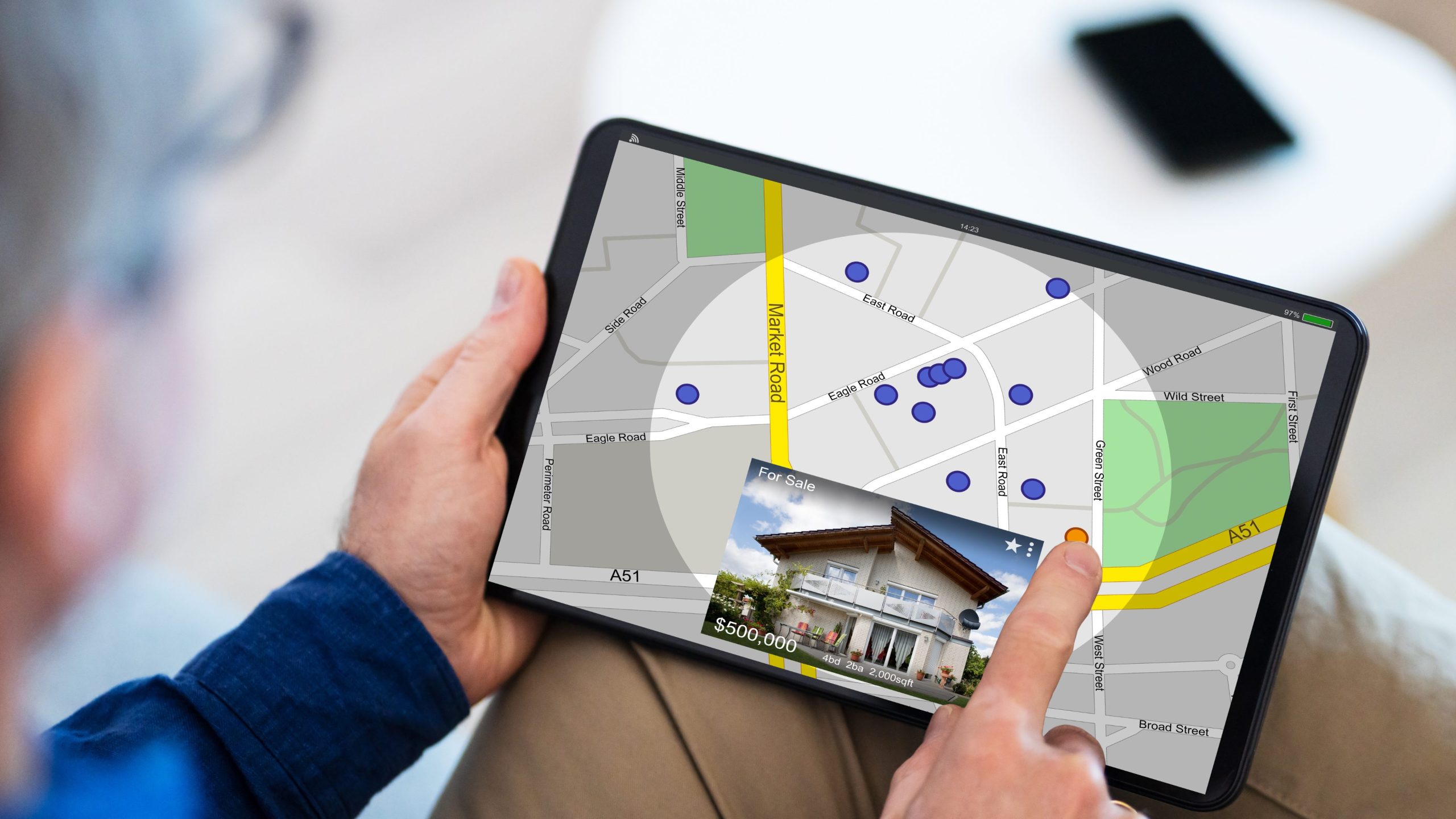
When people shop for a home, they usually focus on the obvious things: square footage, number of bedrooms, updated kitchens, and curb appeal.
But one of the most overlooked factors in real estate isn’t inside the home at all.
It’s the drive.
Not just the number of miles to work, school, or the grocery store—but how that drive feels every single day.
The Hidden Cost of Convenience
Imagine two homes with similar prices, similar features, and similar neighborhoods.
One requires a 15-minute drive to nearly everything you need.
The other requires 35 minutes.
At first glance, the difference may not seem significant. But over the course of a year, that extra 20 minutes each way adds up to more than 240 hours spent in the car.
That’s the equivalent of six full work weeks.
Suddenly, convenience becomes a valuable asset.
Why Buyers Are Paying More for Time
Over the past several years, homebuyers have started placing a higher value on lifestyle than ever before.
They’re asking questions like:
- Can I get to my favorite coffee shop quickly?
- How far is the nearest park?
- Is there a grocery store on the way home?
- Can my kids reach activities without spending half the evening in the car?
In many cases, buyers are willing to pay a premium for locations that save them time and create a better daily routine.
The “Five-Minute Test”
When evaluating a property, try this exercise.
Draw a five-minute radius around the home.
What falls inside?
- Schools
- Restaurants
- Parks
- Walking trails
- Shopping
- Healthcare
- Entertainment
Homes surrounded by amenities often hold their value well because they continue to appeal to a broad range of future buyers.
It’s Not Just About Work Anymore
Years ago, the primary location question was, “How far is it from the office?”
Today, many people work remotely or have hybrid schedules.
As a result, buyers are evaluating neighborhoods differently.
They’re looking for:
- Outdoor spaces
- Community events
- Walkability
- Local dining
- Recreation opportunities
- A sense of connection
The neighborhood itself has become part of the home’s value.
The Drive Home Test
One of the best things a buyer can do is visit a property during the time they’d normally be driving home.
Notice:
- Traffic patterns
- Noise levels
- Nearby activity
- Ease of entering and exiting the neighborhood
A home can look perfect at noon and feel completely different at 5:30 PM.
The Bottom Line
A home’s value isn’t measured only by what’s inside the walls.
It’s also measured by the life you live around it.
The next time you’re evaluating a property, don’t just tour the house. Drive the route. Visit the nearby businesses. Explore the neighborhood.
Because sometimes the best feature of a home isn’t the kitchen, the backyard, or the bonus room.
It’s the extra time you’ll get back every day.


